



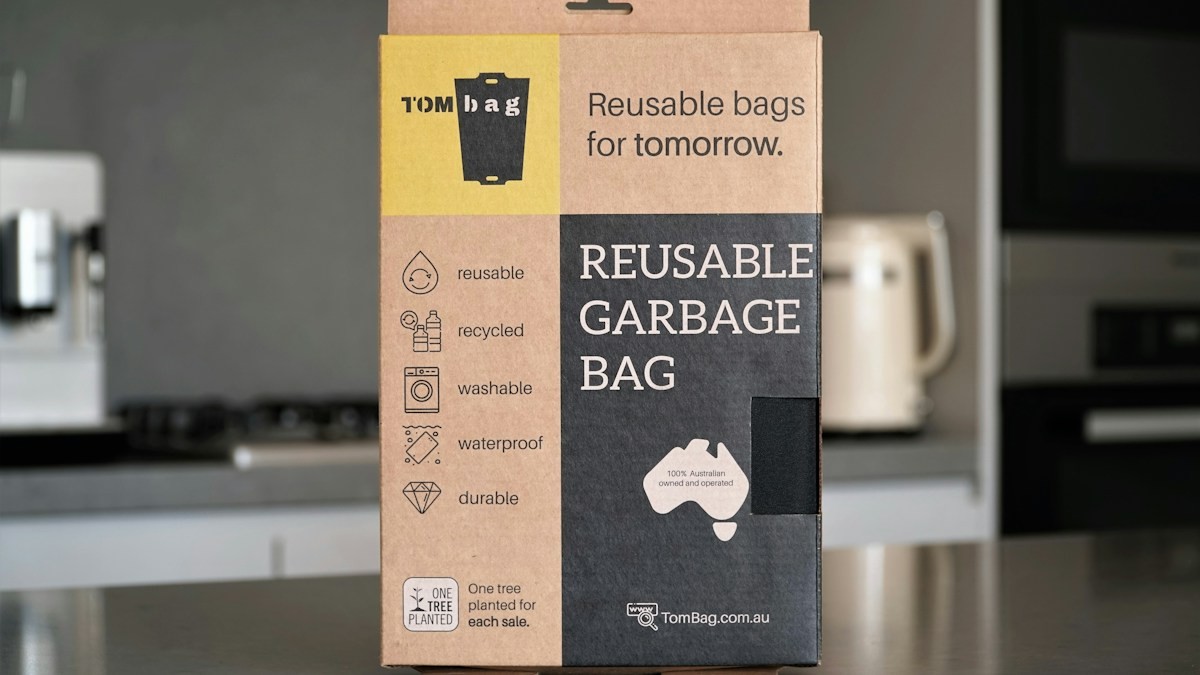
The residential bathroom is frequently the most dense generator of single-use plastic pollution in the entire modern home. Between high-density polyethylene (HDPE) shampoo jugs, polyurethane loofahs, disposable multi-blade cartridge razors, and multi-laminate toothpaste tubes, a typical household generates dozens of pounds of non-recyclable bathroom waste each year.
Embarking on a methodical zero-waste bathroom makeover does not require sacrificing personal luxury, hair texture, or grooming efficacy. By transitioning from diluted liquid products packaged in plastic to concentrated solid formulas, machined metal hardware, and compostable botanicals, you eliminate waste at the source.
In this comprehensive transitional blueprint, we analyze the dermatological chemistry of modern solid shampoo formulations, the physics of wet shaving with double-edge safety razors, zero-plastic dental hygiene routines, and low-waste toiletry management.
Haircare Transformation: Solid Shampoo vs. Traditional Soap
Navigating the crucial difference between saponified soap bars and gentle solid surfactant concentrates.
The Pitfall of High-pH ‘Shampoo Soaps’
Many beginners attempt a zero-waste hair transition by purchasing traditional cold-process soap bars labeled as shampoo. Traditional soaps are made via saponification (mixing oils with lye), resulting in an alkaline pH between 9.0 and 10.0.
Human scalp skin and hair shafts naturally thrive in a mildly acidic environment (pH 4.5 to 5.5). Washing hair with alkaline soap swells the outer cuticle layer, causing severe frizz, mechanical friction damage, static buildup, and waxy mineral curd deposits.
Syndet Bars: Sodium Cocoyl Isethionate (SCI)
True salon-grade solid shampoo bars are made with solid synthetic detergents (syndets) derived from coconut oil, such as Sodium Cocoyl Isethionate (known in cosmetic chemistry as ‘baby foam’). These concentrated pucks are formulated at a skin-compatible pH of 5.0 to 5.5.
A single three-ounce syndet bar replaces two to three 16-ounce plastic bottles of liquid shampoo because conventional liquid shampoo is composed of 80% to 90% municipal water. Solid bars eliminate water transport emissions and plastic packaging entirely.
The Precision Wet Shaving Revolution
Why single-blade stainless steel safety razors outperform modern 5-blade plastic cartridges.
The Economics and Ecology of Double-Edge Razors
Modern shaving corporations engineered multi-blade plastic cartridge systems primarily to lock consumers into expensive proprietary replacement cycles, costing three to five dollars per tiny plastic cartridge head. Globally, over two billion plastic razors and cartridges end up in landfills every year.
A solid brass, stainless steel, or chrome double-edge safety razor costs thirty to fifty dollars upfront and lasts for an entire lifetime. Replacement double-edge surgical steel blades cost approximately ten to fifteen cents each, meaning a five-year supply of blades costs less than twenty dollars total.
Eliminating Pseudofolliculitis and Razor Burn
Multi-blade cartridge systems work on a mechanical principle known as ‘hysteresis’: the leading blade pulls the hair shaft forward while subsequent blades sever it below the skin surface. When the truncated hair retracts below the epidermis, it frequently grows sideways, causing painful ingrown hairs, inflammation, and razor bumps.
A heavy safety razor glides effortlessly across the skin using its own gravitational mass. It cuts the hair cleanly flush with the skin plane in a single pass without stretching or tugging, completely eliminating razor burn and chronic folicular irritation.
Dental and Skincare Waste Elimination
Overcoming the complex packaging challenges of toothpaste tubes, floss, and skincare.
Toothpaste Tablets and Reusable Glass Jars
Standard toothpaste tubes are manufactured from multi-layer laminates combining aluminum foil and plastic sheets, rendering them impossible to process in standard municipal recycling facilities. Over 1.5 billion empty tubes enter municipal waste dumps annually.
Dehydrated toothpaste tablets packaged in refillable glass jars or compostable paper pouches eliminate this waste stream. You simply crush a small tablet between your molars and brush normally with a wet bamboo toothbrush, generating rich active cleaning foam.
Silk Dental Floss and Reusable Rounds
Conventional dental floss is fabricated from teflon (PTFE) or nylon filaments coated in petrochemical microcrystalline wax and housed in non-recyclable plastic pods. Switch to compostable peace silk or plant-based cornstarch floss spooled in refillable glass vials.
Similarly, replace disposable bleached cotton makeup rounds with washable organic bamboo-cotton velour discs that can be washed in a mesh laundry bag hundreds of times.
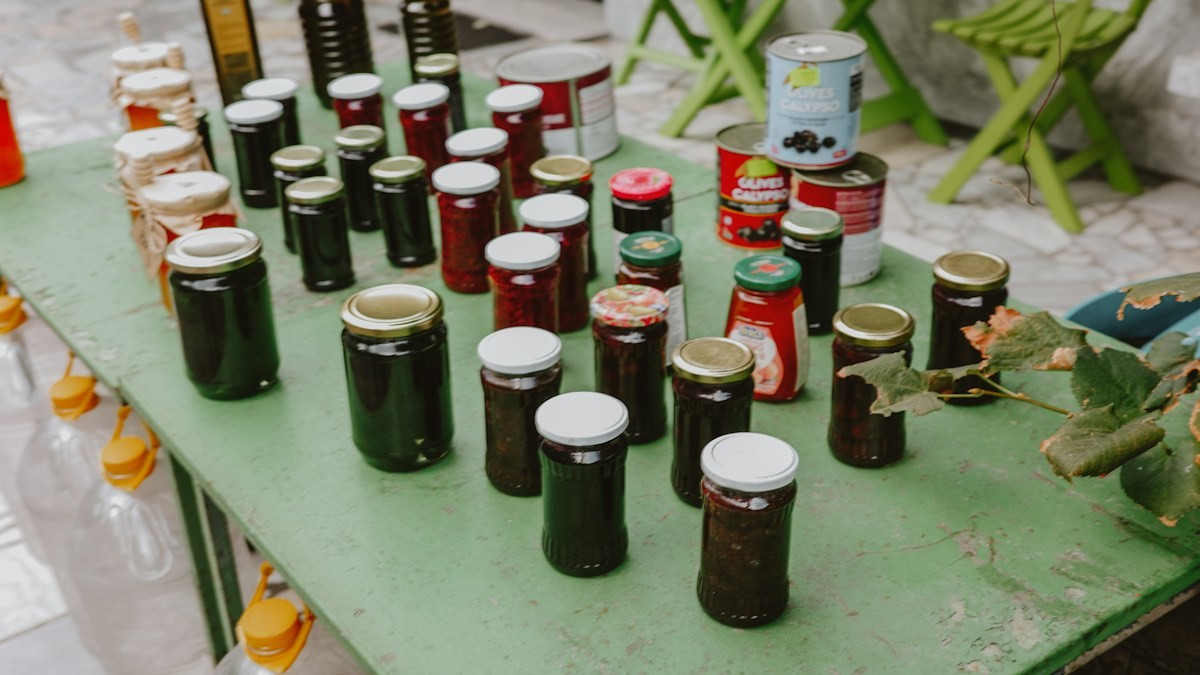
Bathroom Waste Audit: Disposable Products vs. Zero-Waste Alternatives
| Conventional Bathroom Item | Annual Waste Generated | Zero-Waste Sustainable Alternative | Material Lifespan | 5-Year Cost Comparison |
|---|---|---|---|---|
| Bottled Liquid Shampoo & Conditioner | 12 – 18 HDPE plastic bottles | pH-Balanced Solid Shampoo Bars | 60 – 80 Washes per bar | Save $85 – $140 |
| Multi-Blade Plastic Cartridge Razors | 24 – 40 Plastic razor heads | Double-Edge Brass Safety Razor | Lifetime (Stainless blades) | Save $220 – $380 |
| Plastic Toothbrushes & Toothpaste | 4 Toothbrushes + 6 Plastic tubes | Bamboo Toothbrush + Tooth Tabs | 100% Biodegradable handle | Roughly Equal ($0) |
| Plastic Bottled Body Wash | 8 – 12 Large plastic pumps | Cold-Process Organic Bar Soap | 3 – 4 Weeks per bar | Save $45 – $75 |
| Disposable Cotton Swabs & Rounds | 700+ Single-use swab pieces | Washable Organic Cotton Rounds | 3 – 5 Years (Machine wash) | Save $60 – $95 |
Recommended Further Reading & Authoritative References
To deepen your understanding of these systems, review our companion analysis on Beginner’s Zero-Waste Kitchen Guide and Ditching Paper Towels Forever. For official technical specifications and industry standards, consult the TerraCycle Global Zero-Waste Recycling Standards.
Sustainability Benchmarks & Household Resource Optimization
Maximizing the environmental impact of Zero-Waste Bathroom Makeover involves establishing sustainable domestic systems that are practical, cost-effective, and easy to maintain over decades. True ecological responsibility thrives on realistic consistency rather than unsustainable perfectionism.
Create a dedicated home sorting and storage station equipped with airtight containers, washable produce bags, and standardized cleaning refill carafes. Track your household consumption patterns monthly to identify high-volume waste categories and explore reusable, locally-sourced alternatives.
Maintain your reusable tools and natural materials with proper care routines—such as periodic vinegar descaling, oiling wooden utensils, and refreshing natural wax seals. Investing mindful attention into durable goods extends product lifespans, reduces landfill burdens, and cultivates a healthier, low-impact living environment.
Comprehensive Sustainable Implementation & Long-Term Waste Diversion Protocols
Maintaining these low-impact domestic habits successfully over extended periods requires continuous observation, mindful household routines, and consistent material auditing. Experienced zero-waste advocates recognize that initial waste reduction targets must be adapted flexibly to fit the unique spatial constraints, local bulk co-op availability, and family dynamics of each unique home. By maintaining a disciplined, gradual approach to auditing consumer packaging, refusing unnecessary single-use items, and curating reusable essentials, you establish an enduring domestic routine that fosters resourcefulness, environmental consciousness, and significant long-term financial savings.
Furthermore, maintaining strict adherence to validated circular principles ensures that well-intentioned zero-waste practices do not inadvertently generate hidden upstream waste or ecological burdens. Regularly evaluating your pantry inventory, inspecting reusable container seals, and supporting local community reuse initiatives safeguards your sustainable living routine against burnout or greenwashing pitfalls. When you invest the mindful effort to align everyday consumer actions with planetary boundaries, you cultivate a low-waste home that delivers profound environmental stewardship and clean, purposeful daily living.
Frequently Asked Questions
How do you safely dispose of used stainless steel safety razor blades?
Store dull blades in an enclosed metal ‘blade bank’ (such as an old metal mint tin or steel soup can with a slot cut in the top). Once full after a few years, crimp the slot shut and deposit the entire metal container at a local scrap metal recycling yard.
Are solid conditioner bars as moisturizing as liquid conditioners?
Yes, but they require proper application technique. Warm the solid conditioner bar under hot water for ten seconds, then glide the bar directly down the lengths and ends of wet hair shafts rather than rubbing it between your hands.
Do toothpaste tablets contain fluoride to protect tooth enamel?
Both fluoride and nano-hydroxyapatite (nHAp) toothpaste tablets are widely available from zero-waste oral care brands. Choose fluoride or nHAp formulas to ensure scientifically validated enamel remineralization and cavity defense.
What should I do with my existing plastic bathroom items right now?
Never throw away usable items in the name of zero waste! The greenest product is the one you already own. Use up every drop of bottled lotion, shampoo, and liquid wash before replacing them with sustainable alternatives.