



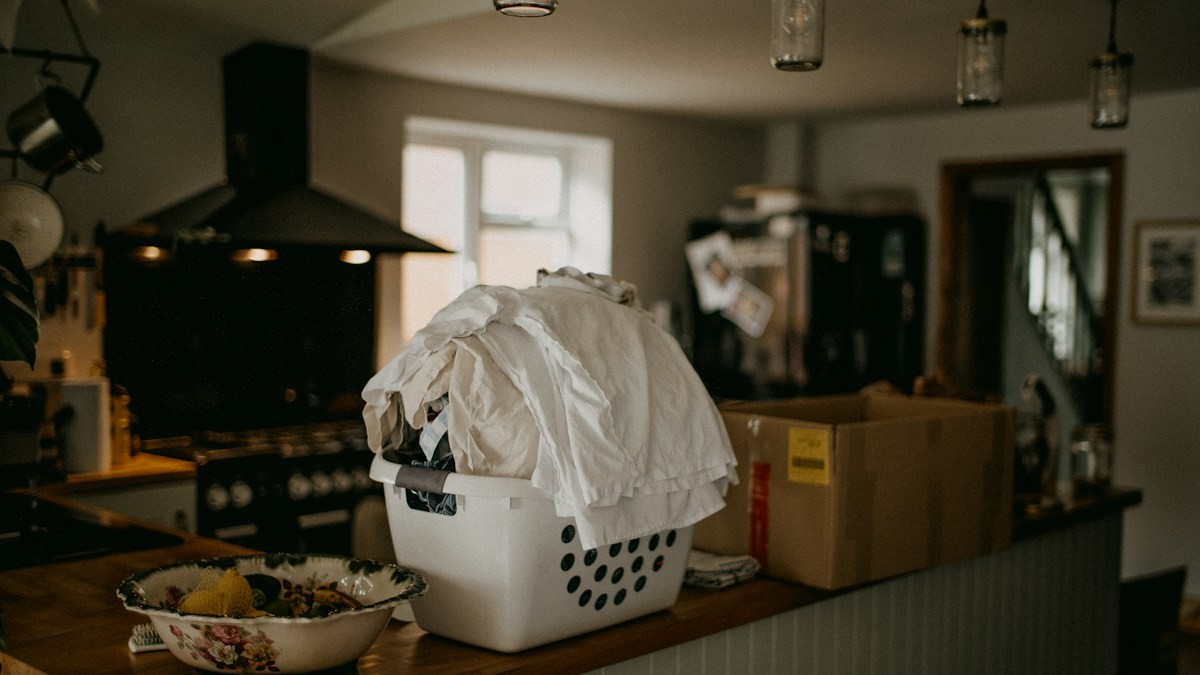
Modern commercial laundry marketing has spent decades convincing consumers that cleanliness is synonymous with intense artificial floral fragrances, thick viscous blue liquids poured from giant plastic jugs, and wax-infused dryer sheets. Yet millions of households experience a baffling paradox: fresh towels pulled straight from the linen closet smell slightly musty the second they touch damp skin after a shower, workout shirts develop a sour, lingering odor that re-emerges within minutes of warming up at the gym, and cotton bedsheets feel stiff, scratchy, and strangely heavy.
This universal laundry frustration is not caused by dirt; it is caused by the very cleaning products designed to wash our clothes. Commercial liquid detergents and synthetic fabric softeners are formulated with petroleum-derived surfactants, optical brighteners, and quaternary ammonium compounds (quats). Over dozens of wash cycles, these waxy additives fail to rinse away, creating an invisible, hydrophobic chemical biofilm that traps dead skin cells, body sebum, and hard water minerals deep inside fabric weaves.
Restoring textiles to their true, breathable baseline requires a deep chemical reset. This comprehensive zero-waste laundering guide explores laundry stripping plastic free washing protocols. We analyze the surfactant chemistry behind fabric buildup, deliver the exact mineral formula for an effective hot-water laundry strip, evaluate organic Himalayan soap berries, and demonstrate how to eliminate single-use plastic laundry jugs forever.
The Science of Fabric Buildup: Why Clean Clothes Smell Musty
Understanding the hydrophobic biofilm created by liquid detergents and softeners.
The Quaternary Ammonium Wax Trap
Fabric softeners do not clean fabric; they work by depositing a thin layer of synthetic silicone oils and positively charged quaternary ammonium salts over negatively charged textile fibers. This coating flattens fiber nap to create an artificial sensation of softness.
However, this synthetic wax coating is profoundly hydrophobic. When applied to bath towels and athletic wear, it creates a waterproof barrier that cripples water absorbency by up to 60%. More insidiously, this wax layer encapsulates body oils and sweat bacteria (*Corynebacterium*), shielding microbial biofilms from ordinary washing cycles.
Hard Water Mineral Encrustation
In homes with moderate to hard water, dissolved calcium and magnesium ions chemically bind with detergent surfactants, precipitating into an insoluble curd known as calcium stearate (soap scum).
This mineral scum binds tightly to natural cotton and linen fibers, turning bright whites into dingy grays and leaving sheets stiff and abrasive. Trapped inside this mineral-wax matrix, bacteria multiply anaerobically, releasing volatile fatty acids that produce that classic, stubborn ‘clean laundry funk.’
The Laundry Stripping Formula: Saponification and Oxygen Lift
The surgical bathtub mineral soak that purges years of trapped residues.
The Golden Stripping Ratio
Laundry stripping is an intensive chemical reset performed in a bathtub or top-load washing machine. Fill the vessel with the hottest tap water possible (ideally 120°F to 135°F / 50°C to 57°C). Hot water melts stubborn wax matrices and accelerates chemical reaction kinetics.
Add the master stripping trio: 1/4 cup Washing Soda (sodium carbonate), 1/4 cup Borax (sodium borate), and 1/4 cup Sodium Percarbonate (the active ingredient in oxygen bleach). Stir vigorously with a wooden broom handle until all powders are completely dissolved.
High-pH Saponification and Micro-Bubbling
Washing soda raises water pH to approximately 11.0, creating an alkaline solution that rapidly saponifies trapped body oils and sebum, converting insoluble oils into water-soluble soap. Concurrently, sodium percarbonate breaks down in water into sodium carbonate and hydrogen peroxide.
As hydrogen peroxide decomposes, it releases millions of microscopic effervescing oxygen bubbles that physically dislodge mineral crusts and oxidized stains from the fiber weave. Submerge clean, washed towels or sheets and let them soak for 4 to 5 hours, stirring every 45 minutes. Watch in astonished satisfaction as the water turns cloudy, murky gray-brown, and then drain and run textiles through a water-only wash cycle.
Zero-Waste Daily Washing: Soap Nuts and Plastic-Free Formulas
Ditching the plastic jug: sustainable everyday laundering that prevents buildup.
Himalayan Soap Nuts (*Sapindus Mukorossi*)
For daily maintenance without synthetic chemicals, wild-harvested Himalayan soap berries (soap nuts) are nature’s most brilliant zero-waste detergent. The dried outer shells of *Sapindus mukorossi* berries contain high concentrations of natural saponins—botanical surfactants that lower water surface tension to lift dirt and grease.
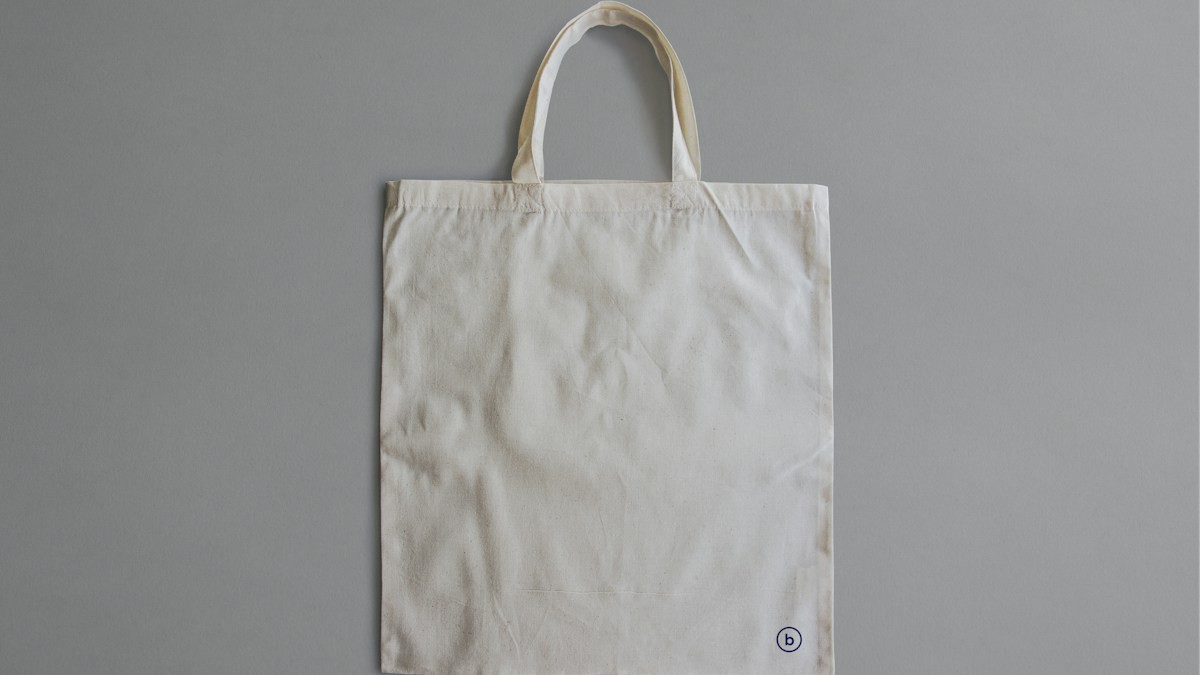
Place 4 to 6 soap nut shells inside a small cotton drawstring wash bag and toss it directly into your washing machine drum with your clothes. In warm water, saponins release naturally, cleaning garments gently without leaving synthetic residues. The same shells can be reused for 4 to 6 wash loads, after which they are 100% compostable in your garden or worm bin.
Cardboard-Packaged Powder Concentrates
Liquid laundry detergents in plastic jugs are 80% to 90% water, generating massive shipping carbon footprints and contributing to the global plastic pollution crisis. Switching to powdered laundry concentrates packaged in 100% recyclable, plastic-free cardboard boxes delivers superior cleaning power with zero plastic waste.
Powdered formulas composed of sodium percarbonate, sodium carbonate, and plant-derived enzymes dissolve completely in modern washing machines, leaving fibers spotless, odor-free, and completely residue-free.
Laundry Method Comparison: Commercial Liquid vs Stripping Reset vs Soap Nuts
| Laundering Parameter | Commercial Liquid Detergent | Bathtub Laundry Strip | Himalayan Soap Nuts |
|---|---|---|---|
| Residue / Buildup Rate | High (Leaves synthetic wax & quats) | Zero (Removes 100% of existing buildup) | Zero (Leaves zero chemical residue) |
| Plastic Waste Footprint | Severe (Giant unrecyclable plastic jugs) | Zero (Paper/cardboard mineral boxes) | Zero (100% compostable tree berries) |
| Towel Water Absorbency | Degraded over time (Water repelled) | 100% Restored to maximum fluffiness | Maintained permanently absorbent |
| Environmental Water Impact | Synthetic fragrances & phosphates | Biodegradable mineral salts | 100% Organic botanical saponins |
| Application Frequency | Every standard wash cycle | Occasional reset (Every 4 to 6 months) | Everyday standard wash cycles |
Recommended Further Reading & Authoritative References
To deepen your practical mastery of these concepts, explore our comprehensive analyses on washing reusable cotton unpaper towels sustainably and cleaning surfaces with natural non-toxic formulas. For official technical standards, peer-reviewed benchmarks, and industry guidelines, consult the Colorado State University Extension: Laundry Cleaning Products.
Advanced Implementation Strategies and Field Best Practices for Laundry Stripping Plastic Free Washing
When implementing these methods in real-world scenarios, consistency and continuous observation serve as the primary determinants of long-term success. Experienced practitioners recognize that theoretical frameworks must be adjusted to account for subtle environmental variables, microclimate fluctuations, and individual behavioral variations. Establishing a disciplined monitoring log allows you to identify subtle trend shifts early, long before minor discrepancies escalate into systemic issues.
Furthermore, avoiding common beginner pitfalls requires a firm adherence to validated core principles rather than adopting transient shortcuts or unverified commercial gimmicks. Integrating periodic structural audits—whether assessing substrate integrity, water chemistry equilibrium, physical mechanical wear, or nutritional bioavailability—guarantees that every safeguard remains fully operational. By prioritizing holistic wellbeing and systematic execution, you establish an environment of enduring stability, resilience, and superior measurable outcomes.
Frequently Asked Questions
How often should I strip my laundry?
Laundry stripping is not an everyday wash routine; it is an intensive deep-cleansing reset. Perform laundry stripping on towels, gym clothes, and bed linens once every 4 to 6 months to maintain optimal fiber absorbency and eliminate odors.
Can I use vinegar instead of fabric softener in my everyday wash?
Yes! Distilled white vinegar is the ultimate zero-waste fabric softener. Pour 1/4 cup of white vinegar into the fabric softener compartment: the mild acetic acid neutralizes remaining detergent alkalinity and dissolves minerals, leaving clothes soft without any waxy coating or vinegar scent.
Do soap nuts work effectively in cold water wash cycles?
Saponins release most efficiently in warm or hot water (above 85°F). If washing in cold water, steep your soap nut bag in a cup of boiling water for 5 minutes first to activate saponins, then pour both the infused liquid and bag into the cold drum.
Can I strip colored clothes, or will the dye bleed?
Strip like-colored textiles together! The hot water and oxygen bleach will not bleach color-fast dyes, but non-colorfast fabrics may bleed. Always separate whites, pastels, and dark gym wear into separate stripping batches.