



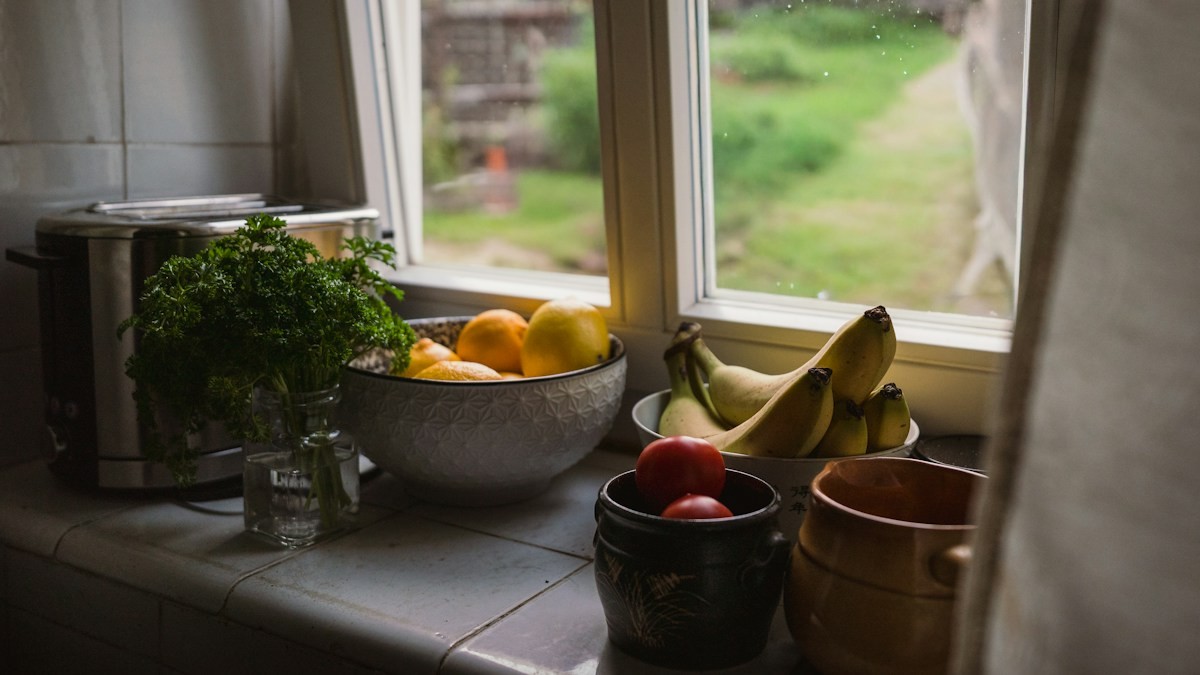
For urban apartment dwellers who want to divert organic kitchen waste from landfills, the single greatest deterrent is not a lack of environmental passion; it is the disgusting reality of the traditional countertop compost pail. Anyone who has placed a ventilated stainless steel or plastic compost bucket on their kitchen counter knows the miserable sequence of events: within forty-eight hours, an army of tiny fruit flies appears out of nowhere, foul rotting odors permeate the kitchen, and emptying the bin requires scrubbing a noxious puddle of anaerobic brown sludge from the bottom.
Experiencing an infestation of fruit flies and kitchen odors frequently causes apartment tenants to abandon composting entirely, returning to throwing food scraps into trash bags. Yet, there is a brilliant, effortless, zero-odor kitchen hack that eliminates fruit flies, abolishes foul smells, and transforms drop-off composting into a completely clean routine: freezing your food scraps.
In this practical urban sustainability guide, we explore the science and logistics of countertop food scrap freezing. You will discover the thermal biology of insect egg eradication, cellular ice crystallization that accelerates outdoor composting, optimal freezer container systems, and seamless routines for participating in municipal drop-offs and community gardens.
Thermal Biology: Halting Decay and Eradicating Pests
Freezing food scraps suspends the biological laws of kitchen decomposition.
The Drosophila Melanogaster Eradication Mechanism
Many people believe fruit flies magically generate from rotting food. In reality, fruit fly eggs (Drosophila melanogaster) enter your home on the peelings of grocery store produce—especially bananas, peaches, and tomatoes. In a warm countertop bin (72°F / 22°C), these microscopic eggs hatch in 24 hours, pupate, and multiply into hundreds of flies within a week.
Sub-zero freezer temperatures (0°F / -18°C) completely eliminate this cycle: freezing temperatures kill fly larvae and freeze the eggs, preventing any fruit fly from ever hatching in your home.
Microbial Thermal Arrest: Eliminating Volatile Odor Compounds
Decomposition odor is the gaseous byproduct of anaerobic bacteria consuming simple sugars and releasing hydrogen sulfide, putrescine, and ammonia. Bacteria require liquid water and warmth to metabolize.
Freezing converts all cell water into solid ice crystals, placing microbial enzymatic activity into 100% suspended animation. A container of fish bones, onion peels, and broccoli ends stored in a freezer smells like absolutely nothing.
The Cell Lysis Advantage: Accelerated Outdoor Composting
Freezing food scraps actually improves and accelerates the composting process after drop-off.
Ice Expansion and Cellular Wall Rupture
Water expands by approximately 9% as it transitions from liquid to ice. When vegetable scraps are frozen, expanding ice crystals puncture the rigid cellulose cell walls of plant tissue (a process known as cryo-lysis).
When your frozen food block is dumped into a municipal composting pile or community garden bin and thaws, the ruptured cell structures collapse immediately. Soil bacteria and worms can colonize and digest the broken-down cellular tissue roughly 40% faster than raw, fresh scraps.
Container Logistics and Drop-Off Routines
Designing a seamless, clean workflow that requires zero messy bin scrubbing.
The Repurposed Brown Paper Grocery Bag Hack
The ultimate container for freezer composting is a simple brown paper grocery bag folded down to fit into a freezer door shelf or drawer. Place food scraps directly into the paper bag.
Because moisture freezes solid instantly, the paper bag never gets soggy or tears. When drop-off day arrives, carry the frozen bag to your local farmers market or community garden bin, dump the entire bag and its contents directly into the compost pile (the paper bag is 100% compostable brown carbon!), and walk away with clean hands.
Silicone Standing Totes and Stainless Steel Pans
If freezer space is tight, use a 1-gallon standing silicone pouch or a stainless steel restaurant insert pan tucked into a freezer corner. Frozen food chunks pop out cleanly like giant ice cubes with a gentle tap, leaving zero residue.
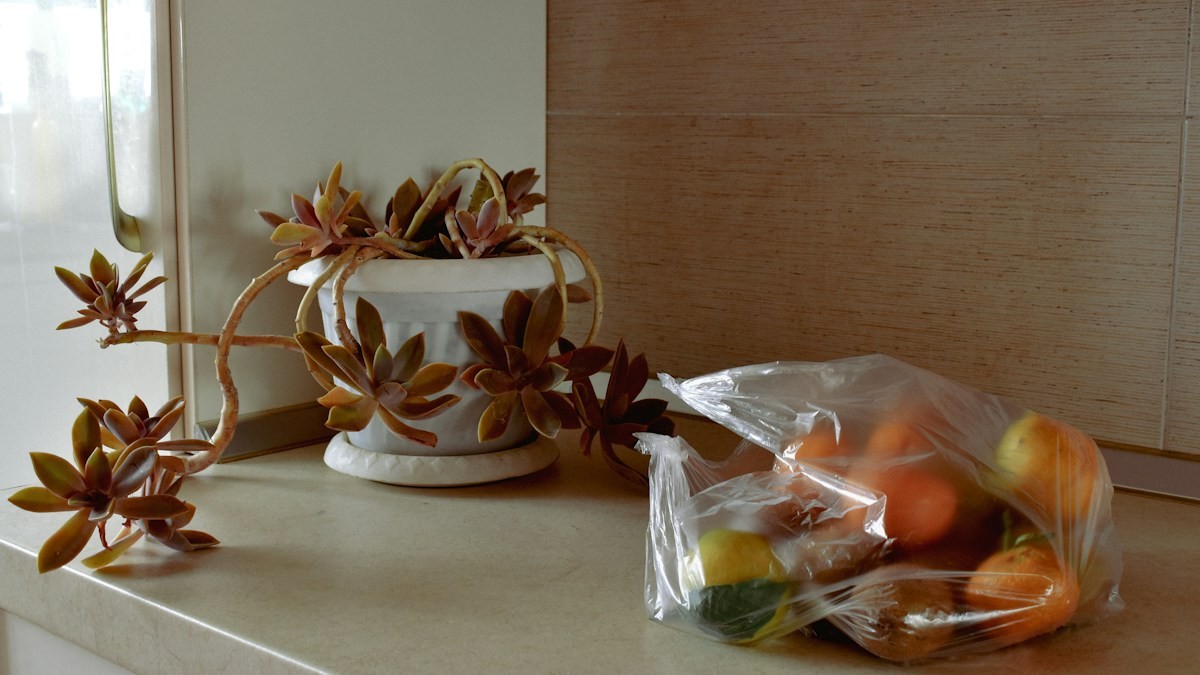
Kitchen Food Scrap Management: Room Temp Pails vs. Freezer Storage
| Management Metric | Room Temperature Countertop Pail | Freezer Food Scrap Storage | Winner for Apartment Living | Biological Rationale |
|---|---|---|---|---|
| Fruit Fly (Drosophila) Attraction | High (Scents attract flies; eggs hatch in pail) | Zero (Cold temperatures kill fly eggs instantly) | Freezer Storage | Drosophila melanogaster eggs cannot hatch below 50°F (10°C) |
| Decomposition Odors & Off-Gassing | Pungent rotting smell within 48 to 72 hours | 100% Odor-free (Thermal arrest of microbes) | Freezer Storage | Sub-zero temperatures freeze water, halting bacterial metabolism |
| Liquid Sludge & Leaking Mess | Anaerobic sludge pools in bottom of pail | Dry, solid, frozen clean blocks | Freezer Storage | Moisture remains frozen solid; zero sticky bin cleaning |
| Drop-Off Transport Logistics | Squishy, smelly, prone to leaking in car/bus | Clean, solid frozen brick; easy to dump | Freezer Storage | Frozen scraps do not thaw or leak during transit to farmers markets |
| Cellular Breakdown Acceleration | Slow, uneven anaerobic rotting | Ice crystals rupture cell walls for rapid composting | Freezer Storage | Frozen scraps decompose 40% faster once dumped into compost |
Recommended Further Reading & Authoritative References
To deepen your understanding of these systems, review our companion analysis on Apartment Composting Made Simple and Zero-Waste Kitchen Guide. For official technical specifications and industry standards, consult the USDA Official Food Loss and Waste Prevention Initiatives.
Sustainability Benchmarks & Household Resource Optimization
Maximizing the environmental impact of Countertop Food Scrap Freezing involves establishing sustainable domestic systems that are practical, cost-effective, and easy to maintain over decades. True ecological responsibility thrives on realistic consistency rather than unsustainable perfectionism.
Create a dedicated home sorting and storage station equipped with airtight containers, washable produce bags, and standardized cleaning refill carafes. Track your household consumption patterns monthly to identify high-volume waste categories and explore reusable, locally-sourced alternatives.
Maintain your reusable tools and natural materials with proper care routines—such as periodic vinegar descaling, oiling wooden utensils, and refreshing natural wax seals. Investing mindful attention into durable goods extends product lifespans, reduces landfill burdens, and cultivates a healthier, low-impact living environment.
Comprehensive Sustainable Implementation & Long-Term Waste Diversion Protocols
Maintaining these low-impact domestic habits successfully over extended periods requires continuous observation, mindful household routines, and consistent material auditing. Experienced zero-waste advocates recognize that initial waste reduction targets must be adapted flexibly to fit the unique spatial constraints, local bulk co-op availability, and family dynamics of each unique home. By maintaining a disciplined, gradual approach to auditing consumer packaging, refusing unnecessary single-use items, and curating reusable essentials, you establish an enduring domestic routine that fosters resourcefulness, environmental consciousness, and significant long-term financial savings.
Furthermore, maintaining strict adherence to validated circular principles ensures that well-intentioned zero-waste practices do not inadvertently generate hidden upstream waste or ecological burdens. Regularly evaluating your pantry inventory, inspecting reusable container seals, and supporting local community reuse initiatives safeguards your sustainable living routine against burnout or greenwashing pitfalls. When you invest the mindful effort to align everyday consumer actions with planetary boundaries, you cultivate a low-waste home that delivers profound environmental stewardship and clean, purposeful daily living.
Frequently Asked Questions
Can I freeze cooked food, meat scraps, and dairy in my compost bag?
Check your local drop-off rules first. Industrial municipal composting programs that utilize high-heat commercial aerated piles accept meat, bones, cheese, and cooked food scraps. Smaller community garden worm bins usually accept raw vegetarian scraps only.
How long can food scraps remain in the freezer before being dropped off?
Food scraps can remain in the freezer indefinitely! Because the scraps are frozen solid, they will never spoil, rot, or smell. You can store scraps for 2 weeks or 2 months until you have time to visit your local farmers market drop-off station.
What should I do if my city doesn’t have a composting drop-off program?
Search apps like ShareWaste (which connects apartment composters with nearby neighbors who have backyard chicken coops, garden composters, or worm bins), or drop your frozen bag at local community community gardens, university agricultural stations, or urban farm co-ops.
Will frozen food scraps thaw and leak during my commute to the drop-off site?
A dense block of frozen food scraps has high thermal mass; it takes over 2 hours at room temperature to begin thawing. A 30-minute subway or car ride to a farmers market will produce zero thawing, dripping, or mess.