




Walking through thrift stores, garage sales, and flea markets, vintage treasure hunters frequently encounter sad, neglected cast iron cookware: legendary 80-year-old Griswold, Wagner, or Lodge skillets coated in crusty, flaking black carbon deposits, or covered in a mottled orange coat of surface rust. To the untrained eye, these distressed pans look like ruined junk destined for the scrap metal heap. To zero-waste homesteaders and culinary purists, however, they represent the ultimate kitchen prize: heavy, indestructible culinary heirlooms that, when properly restored, outlive modern Teflon pans by centuries.
Unfortunately, conventional guides for restoring vintage cast iron often recommend aggressive, hazardous chemicals: soaking pans in plastic tubs of toxic sodium hydroxide (lye), spraying harsh caustic oven cleaner aerosols, or running pans through self-cleaning oven cycles that risk cracking antique iron castings through thermal shock. These chemical methods release toxic fumes, produce hazardous liquid waste, and strip pans in an unnecessarily dangerous manner.
Restoring cast iron to a showroom-quality, mirror-slick non-stick black patina can be achieved entirely using non-toxic household staples and the natural laws of lipid polymerization. This comprehensive restoration manual explores cast iron restoration salt seasoning protocols. We examine the chemistry of fatty acid cross-linking, demonstrate non-toxic rust removal with diluted acetic acid and coarse kosher salt, evaluate flaxseed versus grapeseed oils, and deliver an exact baking blueprint that builds a glass-smooth seasoning layer.
The Chemistry of Seasoning: Lipid Polymerization and Carbonization
Why seasoning is a hard plastic-like polymer, not a layer of cooking oil.
The Molecular Transformation of Fatty Acids
Many novice cooks mistakenly believe that seasoning cast iron simply means greasing the pan with bacon fat or vegetable oil. In reality, raw oil is sticky, rancid-prone, and washes away with hot water. True seasoning is a tough, durable, non-stick polymer.
When an unsaturated fat is heated past its smoke point in the presence of atmospheric oxygen and iron, it undergoes free-radical polymerization. Individual fatty acid triglycerides break down, cross-link with neighboring molecules, and form an intricate three-dimensional plastic-like polymer matrix that bonds directly into the microscopic pores of the iron crystalline structure.
Selecting the Ideal Polymerizing Oil
The best oils for building resilient seasoning are high in polyunsaturated fatty acids (specifically alpha-linolenic and linoleic acid), which possess multiple carbon-carbon double bonds that readily cross-link under heat. Saturated fats like butter or lard have no double bonds, producing soft, fragile seasoning.
Pure cold-pressed, food-grade flaxseed oil (unrefined linseed oil) is the classic drying oil revered by restoration specialists for building ultra-hard, glassy coats. Alternatively, refined grapeseed oil or high-oleic sunflower oil offer outstanding cross-linking performance with higher smoke points and exceptional durability against acidic foods.
Eco-Friendly Stripping: Acetic Acid and Coarse Salt Mechanical Abrasion
Purging rust and crusty carbon without toxic chemical strippers.
The 30-Minute Acetic Acid Rust Bath
If your vintage skillet is covered in orange surface rust, never attack it with wire grinding wheels that gouge the smooth antique factory milling. Instead, prepare a 50/50 bath of plain white distilled vinegar (5% acetic acid) and cold water in a shallow basin.
Submerge the rusty skillet completely. The mild acetic acid chemically reacts with iron(III) oxide (rust), converting it into water-soluble iron acetate. Inspect the pan every 30 minutes; do not leave iron soaking in vinegar for more than 60 to 90 minutes, as acid will eventually pit bare iron. Remove the skillet, rinse under cold water, and wipe clean.
The Coarse Kosher Salt and Chainmail Scrub
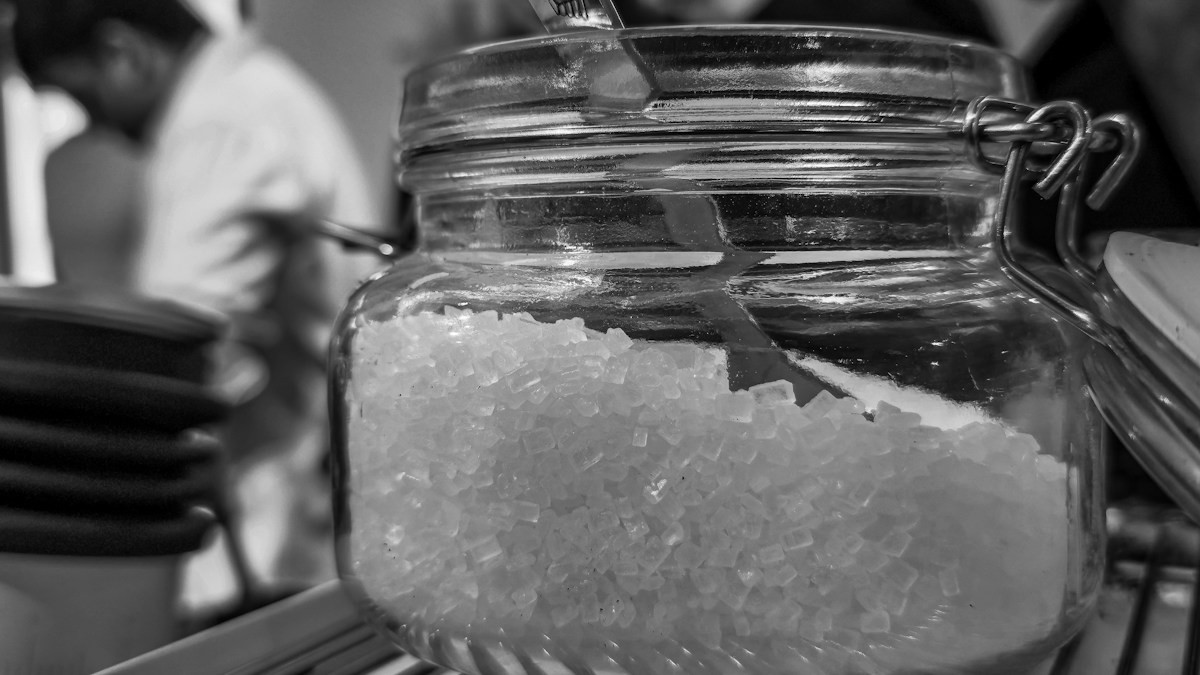
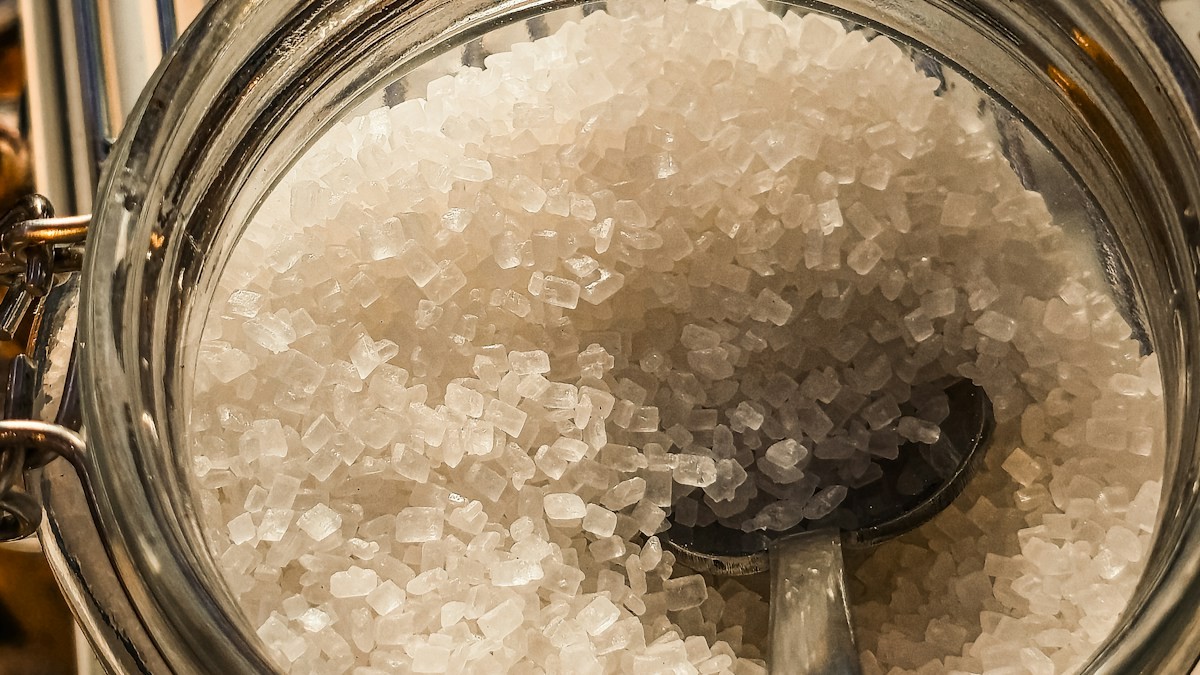
To remove old, crusty carbon buildup and flaking seasoning, turn to coarse kosher salt and a 316 surgical stainless steel chainmail scrubber. Pour 1/2 cup of dry coarse salt into the dry skillet.
Coarse salt crystals have sharp, microscopic cubic edges that act as an ideal mechanical exfoliant: hard enough to shear away brittle burnt carbon, yet soft enough not to scratch ductile iron. Scrub vigorously with the chainmail pad in circular motions until the pan surface feels satiny smooth to the touch, then rinse clean and dry immediately on a warm stovetop.
The 3-Hour Seasoning Bake: The Micro-Layering Rule
The exact oven temperature and buffing technique for a glass-smooth finish.
The Critical ‘Buff Dry’ Step
The single most universal mistake in cast iron seasoning is applying too much oil. If you leave a visible wet sheen of oil on the pan before baking, the oil will pool, bubble, and form sticky, mottled brown speckles that peel off during your first cook.
Place your completely dry pan in a 200°F (93°C) oven for 15 minutes to open the iron pores. Remove the warm pan, apply 1/2 teaspoon of flaxseed or grapeseed oil, and rub it across every square millimeter—interior, exterior, handle, and bottom. Then, take a clean cotton cloth and wipe the pan aggressively as if you made a mistake and are trying to remove every trace of oil. The skillet must look completely bone-dry.
High-Heat Inverted Polymerization
Place the skillet upside down on the middle rack of your oven (place a sheet of aluminum foil on the bottom rack to catch any stray droplets). Preheat the oven to 450°F to 475°F (232°C to 246°C).
Bake the skillet at this high temperature for a full 60 minutes. Turn off the oven and let the pan cool slowly inside without opening the door for two hours. Repeat this micro-thin oil buffing and baking process three consecutive times. With each cycle, a fresh microscopic layer of polymerized carbon bonds to the previous layer, culminating in a jet-black, rock-hard non-stick finish.
Seasoning Oils Comparison: Fatty Acid Composition, Smoke Point, and Hardness
| Seasoning Oil | Smoke Point | Polyunsaturated Fat Content | Cured Seasoning Hardness | Overall Performance Rating |
|---|---|---|---|---|
| Cold-Pressed Flaxseed Oil | 225°F (107°C) | 66% – 70% (Ultra High) | Glass-hard & slick (Hardest) | Gold standard for restoration |
| Refined Grapeseed Oil | 420°F (215°C) | 68% – 72% (Very High) | Durable & resilient to acidic food | Outstanding & cost-effective |
| High-Oleic Canola / Sunflower | 400°F (204°C) | 28% – 35% (Moderate) | Good baseline daily protection | Good for maintenance touch-ups |
| Lard / Animal Tallow | 375°F (190°C) | 10% – 12% (Very Low) | Soft & can turn rancid in storage | Poor for long-term polymerization |
| Extra Virgin Olive Oil | 325°F (163°C) | 9% – 11% (Low) | Burns into sticky gummy soot | Strictly avoid for oven seasoning |
Recommended Further Reading & Authoritative References
To deepen your practical mastery of these concepts, explore our comprehensive analyses on cleaning cookware and ovens with non-toxic minerals and equipping a sustainable plastic free kitchen. For official technical standards, peer-reviewed benchmarks, and industry guidelines, consult the Utah State University Extension: Care and Use of Cast Iron.
Frequently Asked Questions
Why is my newly seasoned cast iron skillet sticky to the touch?
A sticky surface indicates either too much oil was applied or the baking temperature was too low. The oil did not fully polymerize. To fix it, bake the skillet upside down in the oven at 450°F for an additional 60 to 90 minutes until the stickiness completely bakes off.
Can I cook acidic foods like tomato sauce or lemon juice in cast iron?
In a well-seasoned, multi-layered skillet, cooking a quick tomato sauce or deglazing with lemon juice is completely fine! However, avoid long-simmering (2+ hours) acidic stews in cast iron, as acid can slowly erode seasoning and impart a slight metallic taste.
What causes black specks to flake off into my food?
Black flakes are burnt, unpolymerized food carbon or uneven old seasoning layers breaking away. Scrub the interior firmly with coarse kosher salt and a chainmail scrubber to remove all loose flakes, then bake on two fresh micro-thin coats of seasoning.
Why should the skillet be placed upside down in the oven during seasoning?
Baking the skillet inverted ensures that any microscopic excess oil drains downward onto the aluminum foil below rather than pooling into the cooking surface, preventing tacky puddles and uneven spots.