



Walk down the household cleaning aisle of any modern supermarket, and you will be inundated with bright plastic spray bottles containing harsh chemical formulations: synthetic ammonium compounds, volatile chlorine bleach, artificial phthalate fragrances, and aggressive surfactants. While commercial marketing convinces consumers that a home is not clean unless it smells like artificial pine or chlorine, these volatile organic compounds (VOCs) pollute indoor air, irritate respiratory systems, and trigger dermatological allergies.
Furthermore, millions of single-use plastic cleaning bottles are manufactured, shipped, and discarded every year, perpetuating a destructive fossil-fuel supply chain. The truth is that professional-grade home sanitization and deep cleaning does not require toxic industrial chemistry; it is governed by basic high-school acid-base chemical reactions and natural plant solvents.
In this comprehensive non-toxic housekeeping guide, you will discover five safe and non-toxic DIY cleaning sprays crafted from distilled white vinegar, sodium bicarbonate (baking soda), and citrus peels. You will learn the chemical science of acetic acid, d-limonene solvent extraction, the common mistake of neutralizing vinegar with baking soda, and exact formulations for sparkling, streak-free surfaces.
Acid-Base Chemistry: Why Mixing Vinegar and Baking Soda is Ineffective
The most common internet DIY cleaning hack is actually a basic chemical error that neutralizes your cleaners.
The Neutralization Reaction Explained
Social media cleaning videos frequently instruct viewers to mix white vinegar (an acid, pH ~2.5) and baking soda (a base, pH ~8.5) together in a spray bottle. While the resulting bubbling eruption looks impressive, the fizzing is simply carbon dioxide gas escaping as the two chemicals neutralize each other.
The resulting liquid left in the bottle is essentially salt water (sodium acetate in water), which has virtually zero degreasing or antimicrobial power. To clean effectively, you must use acids and bases separately for their distinct chemical superpowers.
When Acetic Acid Excels vs. When Alkaline Bases Win
Distilled white vinegar (acetic acid) dissolves alkaline mineral deposits: hard water scale, calcium buildup, soap scum, and coffee maker limescale. Alkaline baking soda and Castile soap dissolve acidic fats, grease, oils, and protein stains.
Use vinegar for mirrors, glass, mineral descaling, and faucets; use baking soda pastes for greasy stovetops, burned pans, and soap scum scouring.
Citrus Peel Infusion: The D-Limonene Degreaser
Extracting commercial-strength solvent from discarded kitchen orange and lemon rinds.
The Science of D-Limonene
The rinds of citrus fruits (lemons, oranges, grapefruits, limes) contain high concentrations of d-limonene—a naturally occurring terpene solvent with extraordinary degreasing capability used in heavy industrial mechanics. D-limonene dissolves hydrophobic grease molecules effortlessly while providing a fresh, uplifting natural aroma.
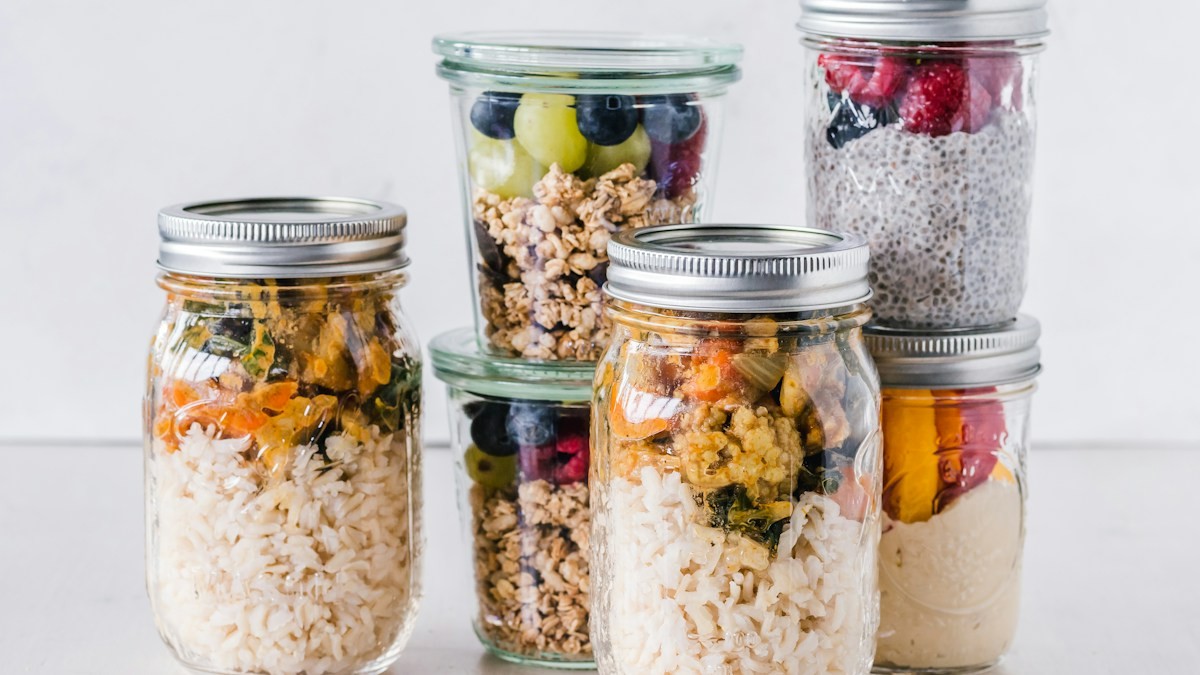
Save citrus peels in a glass quart mason jar, pack them tightly, and submerge them completely in distilled 5% white vinegar. Seal the jar and allow it to steep in a dark cupboard for 2 to 3 weeks.
Straining and Dilution Formulation
Strain the golden citrus vinegar through a fine-mesh sieve into a glass spray bottle. Dilute 50/50 with distilled water. This creates an invincible all-purpose surface degreaser that cleans kitchen countertops, stovetops, refrigerator shelves, and trash cans with zero toxic fumes.
Streak-Free Glass and Safe Surface Guidelines
Eliminating cloudy residues and understanding where vinegar must NEVER be used.
The Isopropyl Alcohol Evaporation Secret
Standard vinegar-and-water sprays can leave faint streaks on glass windows and bathroom mirrors because water evaporates slowly. The professional formula combines 1 cup distilled water, 1 cup 70% isopropyl alcohol, and 1 tablespoon white vinegar.
The alcohol dramatically accelerates flash evaporation, leaving glass completely transparent, sparkling, and streak-free in a single wipe with a waffle-weave microfiber cloth.
The Natural Stone Acid Etching Warning
Never spray vinegar or acidic citrus sprays on natural stone countertops: marble, granite, limestone, or travertine. Acetic acid reacts with calcium carbonate in natural stone, dissolving minerals and leaving dull, rough, permanent white chemical etching scars.
For natural stone surfaces, use a gentle pH-neutral spray made from 2 cups warm water and 1 tablespoon liquid Castile soap.
5 Essential DIY Non-Toxic Cleaning Spray Formulas
| Cleaner Application | Active Ingredients & Ratios | Primary Chemical Mechanism | Best Surface Applications | Forbidden Surface Warnings |
|---|---|---|---|---|
| All-Purpose Citrus Degreaser | 50% Citrus-infused vinegar + 50% distilled water | Acetic acid (pH 2.5) + natural d-limonene solvent | Sinks, laminate countertops, appliances, tiles | NEVER use on natural marble, granite, or limestone |
| Streak-Free Glass & Mirror Spray | 1 cup water + 1 cup 70% alcohol + 1 tbsp vinegar | Rapid evaporation prevents water spot drying | Windows, mirrors, glass shower enclosures, faucets | Tinted vehicle windows (alcohol can degrade film) |
| Daily Bathroom Tile & Grout Spray | 2 cups water + 1/4 cup hydrogen peroxide + 10 drops tea tree | Oxidation dissolves soap scum; antifungal terpinen-4-ol | Porcelain bathtubs, ceramic wall tiles, shower curtains | Colored fabrics (peroxide has mild bleaching action) |
| Scouring Sink & Cooktop Paste | 1 cup baking soda + 2 tbsp Castile soap + warm water | Mild mechanical micro-abrasion + saponified oils | Stainless steel sinks, glass cooktops, porcelain tubs | Brushed gold hardware (can polish off electroplating) |
| Natural Hardwood Floor Rinse | 1 gallon warm water + 2 tbsp liquid Castile soap | Surfactant lifts grime without stripping varnish | Polyurethane sealed hardwood, laminate, vinyl planks | Unsealed porous wood flooring (excess water damage) |
Recommended Further Reading & Authoritative References
To deepen your understanding of these systems, review our companion analysis on DIY All-Purpose Concentrate and Natural Oven & Grout Cleaner. For official technical specifications and industry standards, consult the U.S. EPA Safer Choice Program Chemical Safety Standards.
Sustainability Benchmarks & Household Resource Optimization
Maximizing the environmental impact of Safe and Non-Toxic DIY Cleaning Sprays involves establishing sustainable domestic systems that are practical, cost-effective, and easy to maintain over decades. True ecological responsibility thrives on realistic consistency rather than unsustainable perfectionism.
Create a dedicated home sorting and storage station equipped with airtight containers, washable produce bags, and standardized cleaning refill carafes. Track your household consumption patterns monthly to identify high-volume waste categories and explore reusable, locally-sourced alternatives.
Maintain your reusable tools and natural materials with proper care routines—such as periodic vinegar descaling, oiling wooden utensils, and refreshing natural wax seals. Investing mindful attention into durable goods extends product lifespans, reduces landfill burdens, and cultivates a healthier, low-impact living environment.
Comprehensive Sustainable Implementation & Long-Term Waste Diversion Protocols
Maintaining these low-impact domestic habits successfully over extended periods requires continuous observation, mindful household routines, and consistent material auditing. Experienced zero-waste advocates recognize that initial waste reduction targets must be adapted flexibly to fit the unique spatial constraints, local bulk co-op availability, and family dynamics of each unique home. By maintaining a disciplined, gradual approach to auditing consumer packaging, refusing unnecessary single-use items, and curating reusable essentials, you establish an enduring domestic routine that fosters resourcefulness, environmental consciousness, and significant long-term financial savings.
Furthermore, maintaining strict adherence to validated circular principles ensures that well-intentioned zero-waste practices do not inadvertently generate hidden upstream waste or ecological burdens. Regularly evaluating your pantry inventory, inspecting reusable container seals, and supporting local community reuse initiatives safeguards your sustainable living routine against burnout or greenwashing pitfalls. When you invest the mindful effort to align everyday consumer actions with planetary boundaries, you cultivate a low-waste home that delivers profound environmental stewardship and clean, purposeful daily living.
Frequently Asked Questions
Does white vinegar disinfect and kill bacteria like bleach?
Distilled white vinegar (5% acetic acid) kills 99% of surface bacteria, including E. coli and Salmonella, as well as household molds. While not an EPA-registered hospital-grade disinfectant for pathogens like Norovirus, vinegar is completely sufficient and far safer for daily residential kitchen sanitization.
Why does my homemade cleaner smell like salad dressing?
Straight vinegar has an assertive sour aroma, but the smell dissipates completely within 15 minutes as it evaporates, leaving zero lingering odor. Infusing vinegar with citrus peels or adding 10 drops of eucalyptus or peppermint essential oil masks the acetic acid scent delightfully.
Can I use apple cider vinegar instead of white vinegar?
Stick to clear distilled white vinegar. Apple cider vinegar contains residual fruit sugars and natural tannins that can leave sticky residues and potentially stain light-colored grout or fabrics.
How long do homemade vinegar cleaning sprays last?
Because distilled white vinegar and alcohol are natural preservatives, infused vinegar cleaning sprays remain fresh and chemically potent for up to one full year when stored in sealed glass bottles away from direct sunlight.